
What Causes Crusting in Manure Pits and Lagoons, and How to Break It Up
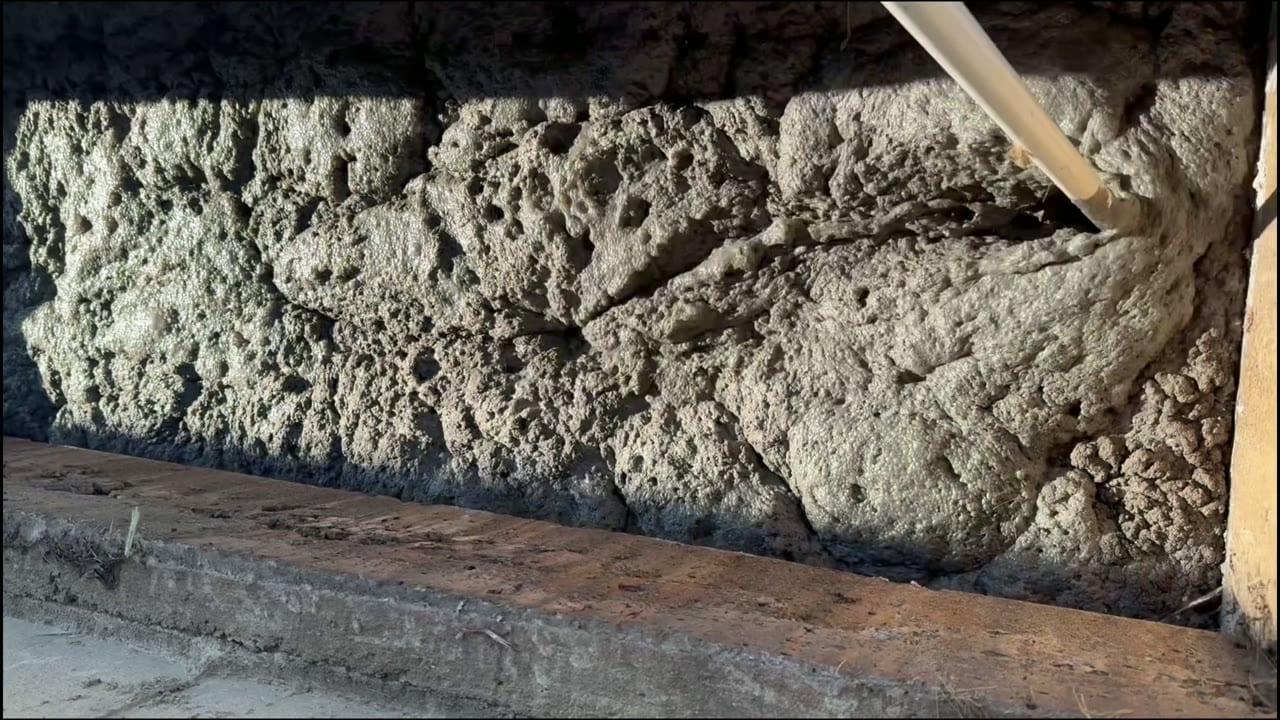
Manure crust is cellulose fiber that stopped breaking down. Here is why crusts form, why agitation alone never fixes them, and what actually removes one.
· updated
Practical guides on manure pit and lagoon management: why foam forms and why it is a flash fire hazard, what causes crusting, how much storage you lose to solids, how additives compare, and what confinement gases do to animals, people, and equipment.
Manure crust is cellulose fiber that stopped breaking down. Here is why crusts form, why agitation alone never fixes them, and what actually removes one.
· updated
Foam in a deep pit traps methane under the slats. Here is why manure pit foam forms, what sets it off, and how to work a foaming pit without getting hurt.
· updated
Organic nitrogen has to be mineralized by soil biology before a crop can use it. Ammonium nitrogen is available now. Here is why the split on your manure test matters.
· updated
A straight comparison of biological, chemical, and masking manure pit additives: what each one does to solids, odor, and crust, and how long the effect actually lasts.
· updated
Settled solids quietly eat lagoon volume every year. Here is how to measure sludge depth, convert it to gallons, and figure what the lost capacity costs you.
· updated
Hydrogen sulfide, ammonia, methane and carbon dioxide in confinement barns: where each one collects, what it does to animals and people, and how to work safely.
· updated
House flies and stable flies breed in the manure surface, not in the air. Why adulticides lose the race, and how to take the breeding substrate away.
· updated
Agitation moves solids around. It does not remove them. Here is where your fuel, hours, and pump wear actually go, and what changes when the fiber digests.
· updated