

Four operations, one stalled process.
PitCharger treats manure in hog barns, cattle operations, poultry houses, and dairies. No two manure systems are exactly alike. What changes is the structure holding the manure, the volume, the problem being treated, and which symptom got bad enough to make you look.
Pick the one that matches your operation. Each page covers the structures involved, what the problem costs, what a program looks like, and what changes on what timeline.
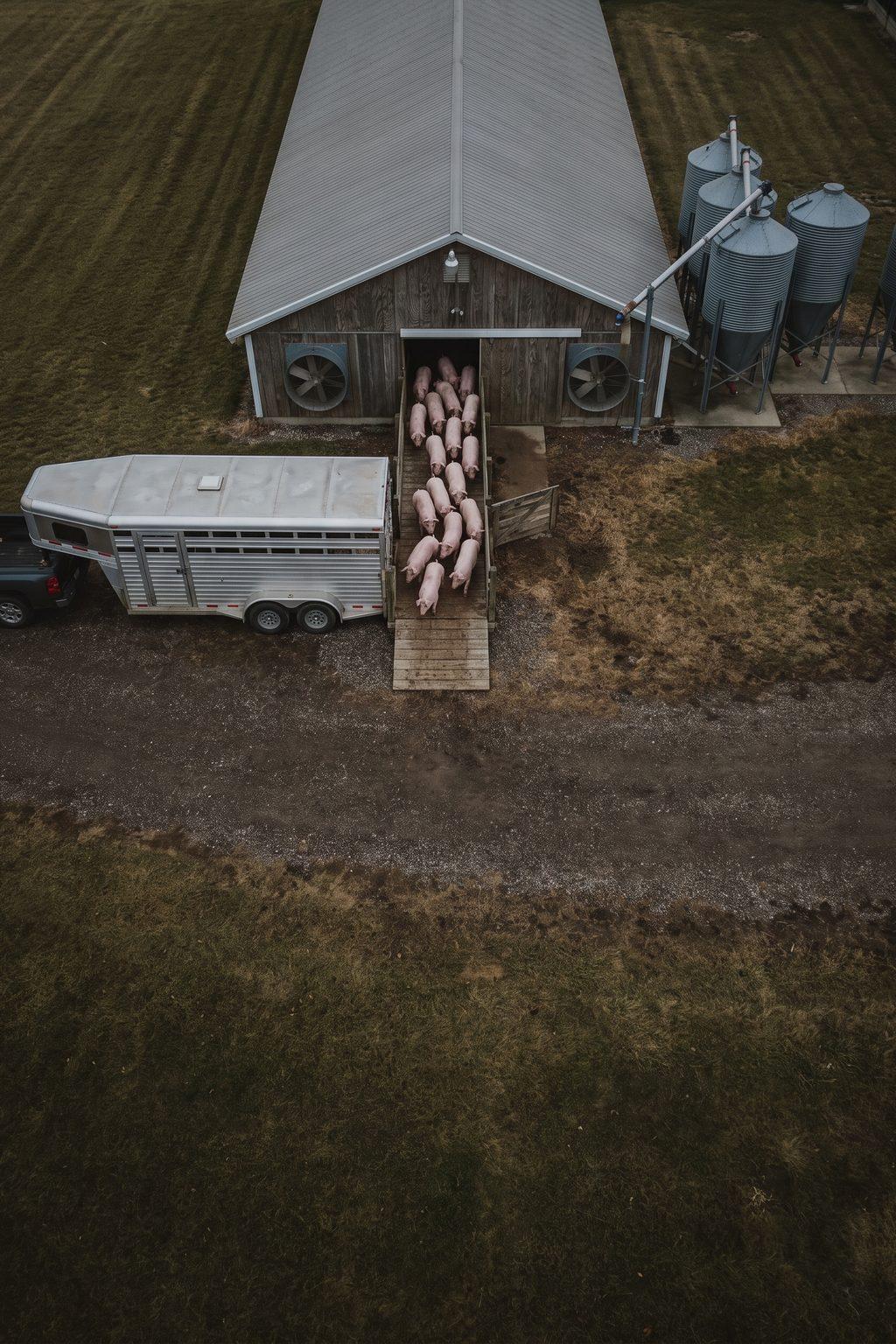
Hog Operations
Deep pit, pull plug, gestation through finishing. Foam and the flash fire hazard.
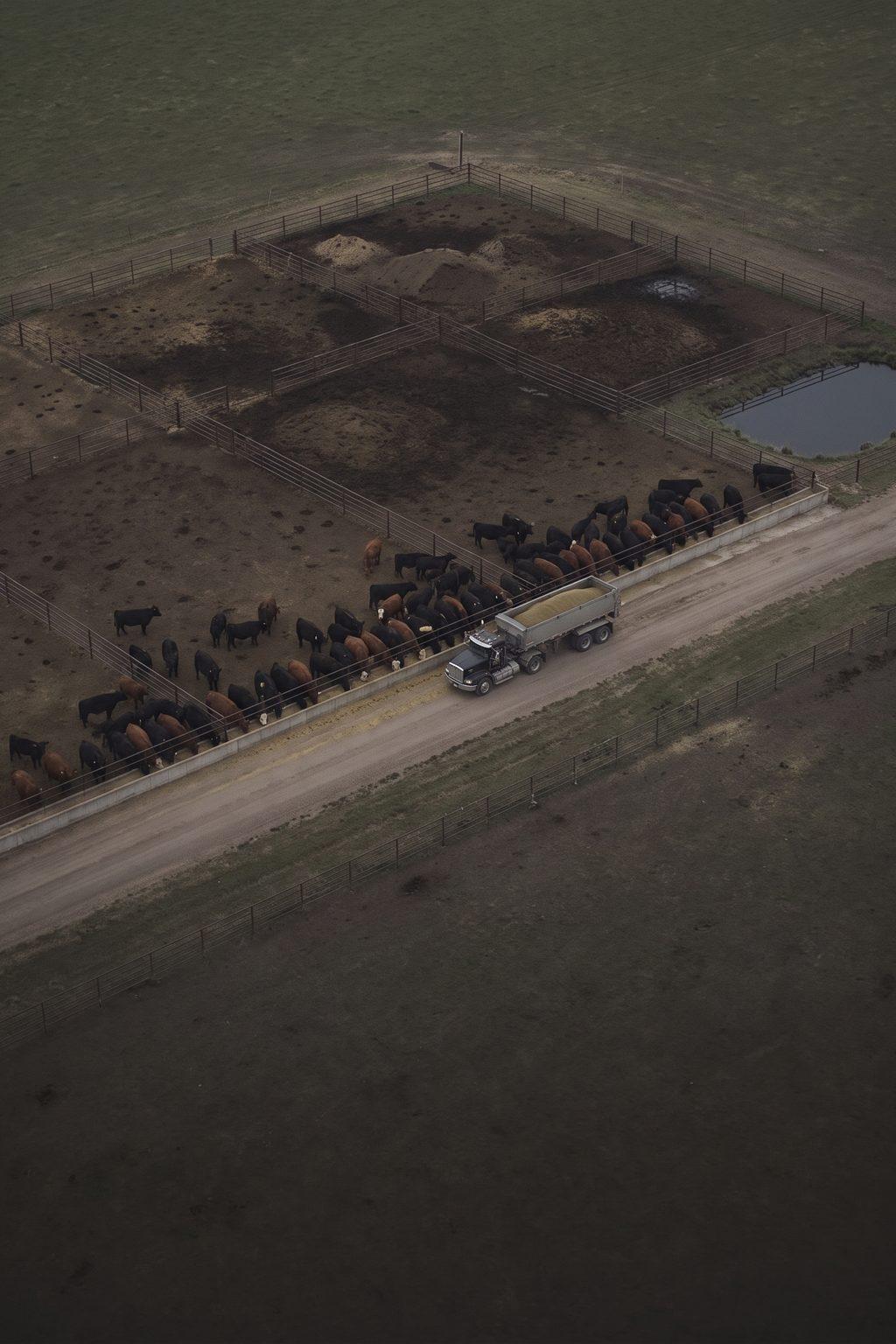
Cattle Barns
Feedlots and beef barns. Pens, pits, pumping stations, fly pressure and crust.
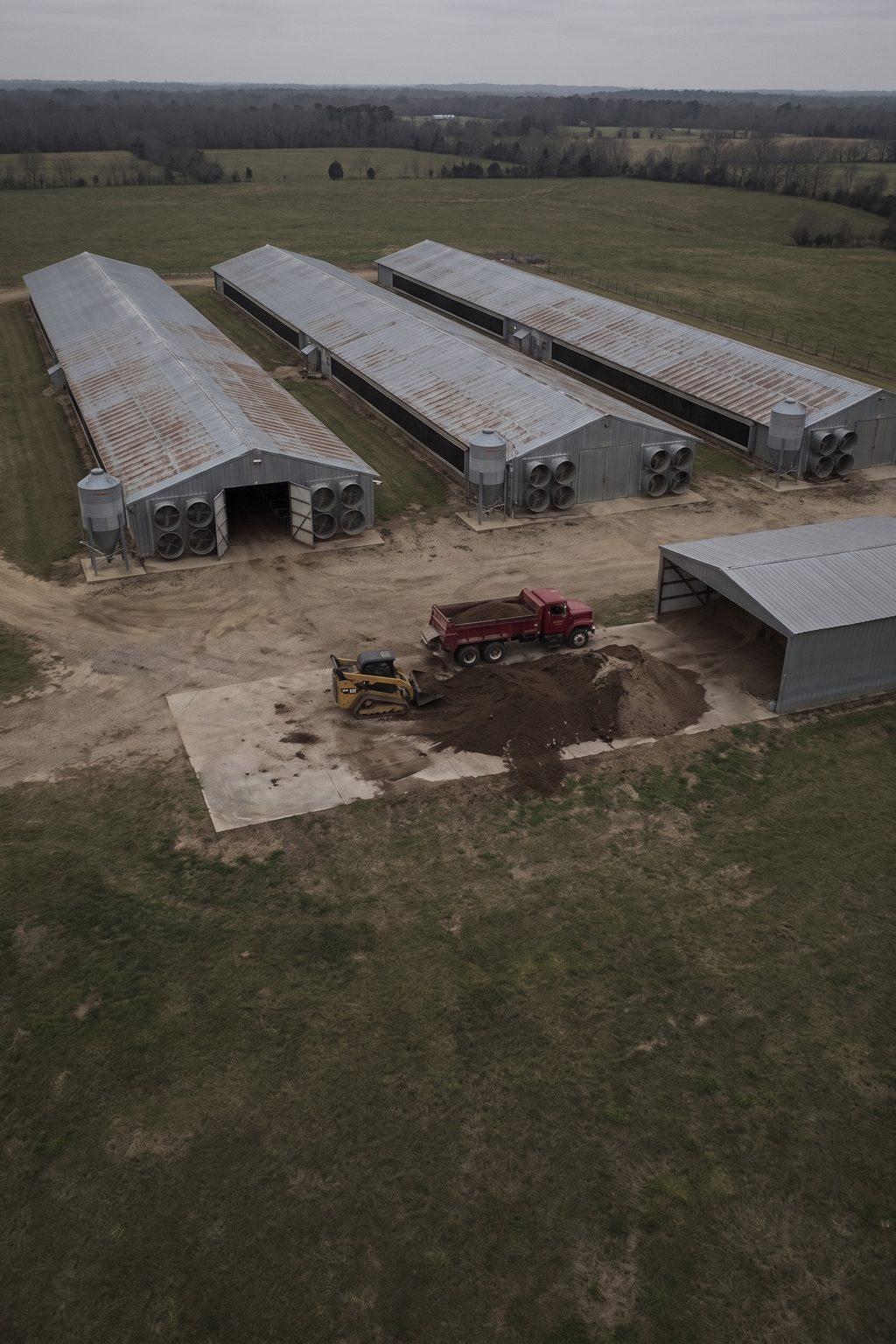
Poultry Producers
Litter, ammonia in the house, grain and corn pith clogging equipment.
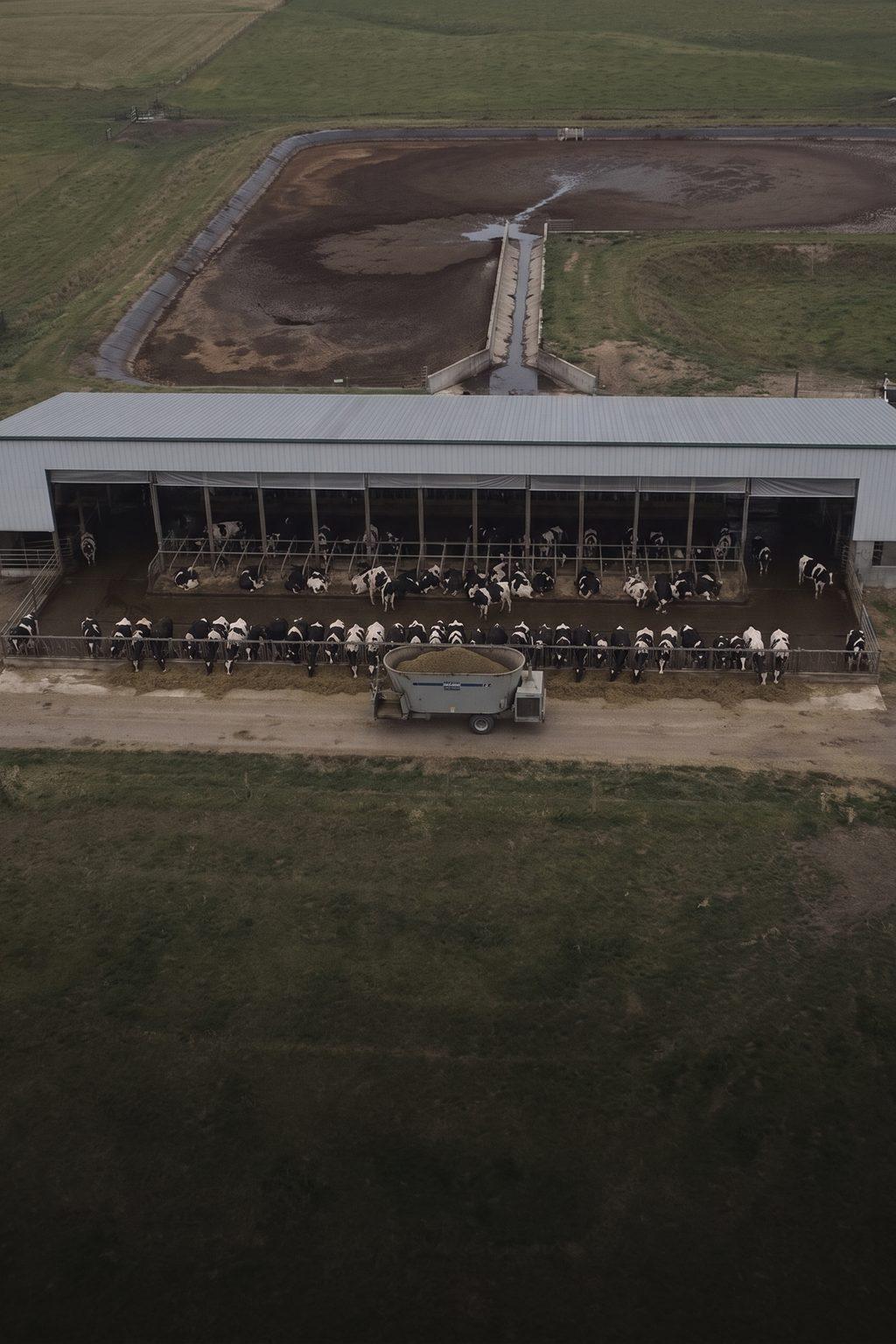
Dairy
Lagoons, flush and scrape systems, parlors. Crust, fly pressure, storage capacity.
What actually differs between them
The structure the manure sits in determines how it stratifies, how often it moves, and what goes wrong first — which is why dosing is set in a conversation rather than read off a label.
| Hog Operations | Deep pit, pull plug, shallow pit to lagoon |
|---|---|
| Cattle Barns | Feedlot pens, beef barn pits, lagoons, pumping stations |
| Poultry Producers | Litter, and liquid handling where it exists |
| Dairy | Earthen lagoons, storage pits, flush and scrape systems |
Not sure which you are?
Plenty of operations run more than one structure — a shallow pit feeding an outside lagoon is two problems, not one. Tell us the head count and what the manure sits in, and we will size it.
Where we work
PitCharger ships from Elkhorn, Nebraska. Since 1998, PitCharger products have been used by producers in 45 states, Puerto Rico, and three countries. PitCharger ships by UPS, Spee-Dee Delivery, and LTL freight, depending on the size and destination of the order. Auto-Ship is available for customers who want scheduled monthly delivery.