

Manure management for poultry operations
Poultry systems can develop very different problems than hog or cattle operations. High ammonia levels, wet litter, feed buildup, grain, and corn pith can all create management problems inside the house and in manure-handling equipment.
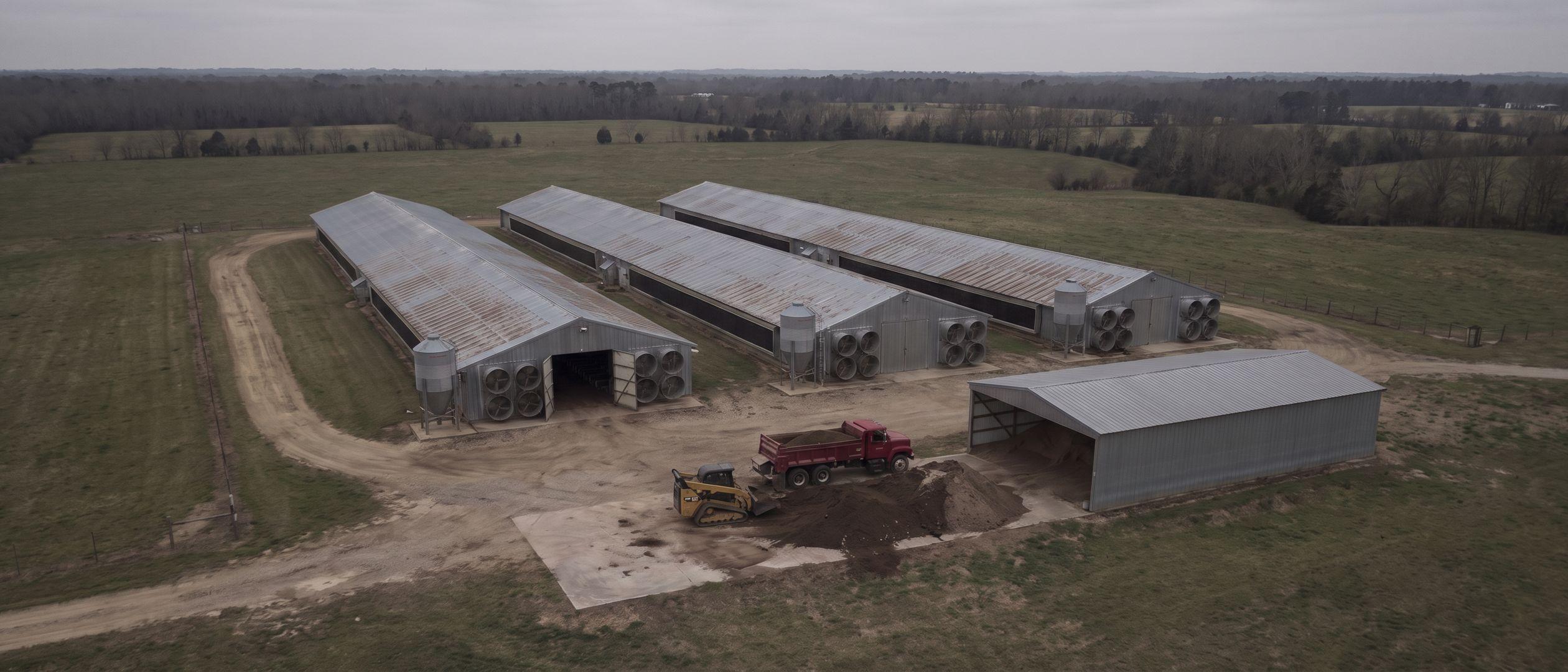
At a glance
| Structures treated | Litter, and liquid handling where it exists |
|---|---|
| Typical starting rate | Set on a call; no standard published rate |
| Common problems | Ammonia, wet litter, feed buildup, grain, and corn pith |
| First thing to move | Odor, often within the first week |
| Results | A difference in month one; significant results measured at about six months |
How is a poultry treatment plan chosen?
PitCharger products are selected based on the specific issue being treated. That may mean reducing odor and ammonia, helping break down organic material, or treating feed and grain buildup that is difficult to move through the system.
The treatment plan should fit the poultry operation, the manure-handling system, and the problem the producer is trying to solve.
Why is ammonia the defining problem in a poultry house?
Because birds live in it. In hog and cattle operations the manure is generally below the animals in a pit; in most poultry housing the litter is the floor. Ammonia released from that litter is breathed continuously by every bird in the house and by everyone working in it.
The effects are well established and expensive: ammonia damages respiratory tissue, and birds under chronic exposure show reduced feed conversion, slower weight gain, and greater susceptibility to disease. Elevated ammonia can also cause eye irritation and burns in severe cases. Ventilating it out works but costs heat, which is why ammonia management gets harder exactly when fuel is most expensive.
Ammonia comes from nitrogen compounds in the manure breaking down badly. It is a symptom of decomposition going wrong, not simply of manure being present — which is why treating the biology addresses it at the source rather than diluting it with air.
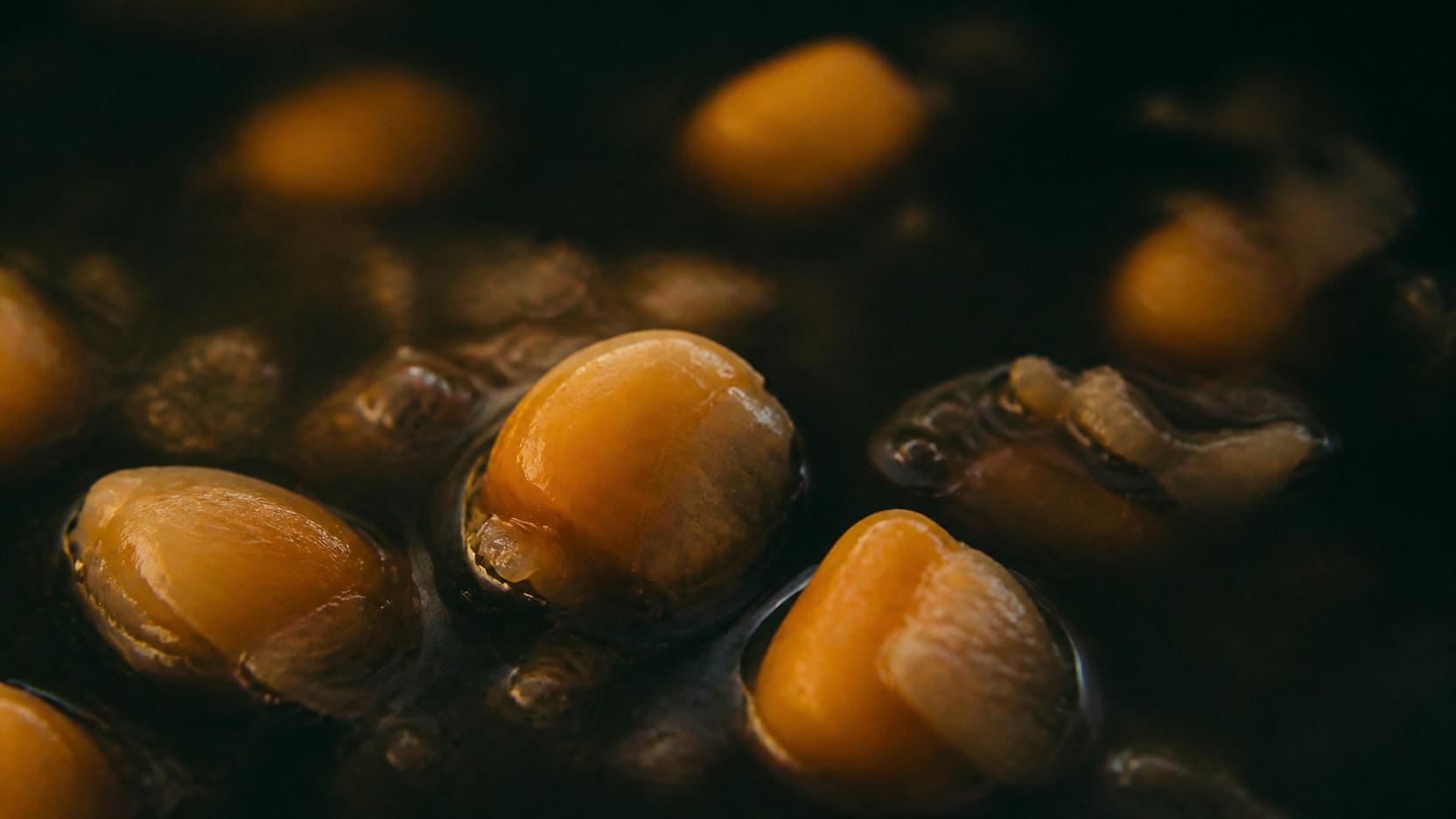
What does spilled grain and corn pith do to the system?
Poultry operations put a substantial volume of feed into the waste stream. Birds waste feed, feeders spill, and a percentage of every ration ends up as whole or partly whole grain in the litter or liquid system rather than as digested manure.
Corn pith is the persistent offender. It is largely cellulose and lignin, and it can sit for months looking essentially unchanged while everything around it breaks down. That material becomes solids buildup, and solids buildup becomes clogged pumps, plugged nozzles during land application, and stoppages in processing equipment.
Feed Digester uses a combination of bacteria and enzymes to break down the pith and outer structure of the grain, helping weaken heavy feed pack so it can move through the system. Because application method matters, talk with PitCharger before treating a significant spill.
How does this affect water and runoff?
Undigested organic material is what makes manure a water quality risk. High solids loading and nitrogen in unstable forms are the two things that move during a rain event, and both are worse in a system where decomposition has stalled.
Reducing solids reduces the material available to move. Converting nitrogen into ammonium form held in solution keeps more of it where you applied it rather than volatilizing or running.
None of this substitutes for the containment and application practices your nutrient management plan requires. It reduces the load those practices have to handle, and that is the whole claim — we have no water-quality sampling specific to poultry operations to put in front of you, and would rather say so than imply a regulatory outcome we cannot evidence.
What about the worker environment?
The same ammonia that costs you feed conversion is what your crew breathes for a full shift. Reducing it at the source, rather than only ventilating harder, improves working conditions in a way people notice immediately.
Odor reduction has an outward-facing benefit as well. Poultry operations near residential development face the same complaint dynamics as hog barns, and a documented odor record complicates permits and expansion.
PitCharger products are described as safe around cattle, horses, pets, children, and vegetation, so there is no protective protocol required for ordinary application.
What we would start you on
Sized in the consultation, not off a shelf — but these are the products that usually come up for this kind of operation.
Feed Digester
For feed spills and concentrated organic material, including heavy grain buildup and feed islands.

N-Loc
For maximum odor reduction. Addresses odor-producing compounds in the system rather than masking them.
Manure Digester
PitCharger's flagship product for monthly manure treatment. Contains up to 51 strains of bacteria.
Poultry Producers: common questions
Does this work on dry litter or only liquid systems?
The bacteria need moisture to work. Liquid handling systems, wet spots, and the moist layer at the base of built-up litter are where activity happens. If your operation is entirely dry litter with no liquid handling, tell us during the consultation — we would rather size a program honestly than sell you something ill-suited.
Will it reduce ammonia in the house?
Reducing ammonia means addressing how nitrogen compounds are breaking down. Improving that decomposition reduces the ammonia generated. How much depends heavily on your housing, litter management, and ventilation, which is why we ask about all three.
How does it help with equipment clogging?
It digests the organic portion of what clogs — spilled grain, corn pith, and fiber. It does nothing for rocks, twine, or hardware. If your stoppages are mostly organic material, this addresses the cause.
Is it safe around birds?
Yes. PitCharger products are described as safe around animals, children, and vegetation. Birds do not need to be moved for application.
How long does it take to see results?
Most producers should notice a difference within the first month, with continued improvement through the second and third months. Significant overall results are normally measured after about six months. Odor can respond much faster, often within the first week.
How much does a poultry operation need?
PitCharger does not publish a standard poultry rate. It depends on the house, the manure-handling system, and whether the problem is ammonia, organic buildup, or feed and grain, so the rate is set on a call.
Where we work
PitCharger ships from Elkhorn, Nebraska. Since 1998, PitCharger products have been used by producers in 45 states, Puerto Rico, and three countries. PitCharger ships by UPS, Spee-Dee Delivery, and LTL freight, depending on the size and destination of the order. Auto-Ship is available for customers who want scheduled monthly delivery.
Related
Products
- Feed Digester: For feed spills and concentrated organic material, including heavy grain buildup and feed islands
- N-Loc: For maximum odor reduction. Addresses odor-producing compounds in the system rather than masking them
- Manure Digester: PitCharger's flagship product for monthly manure treatment. Contains up to 51 strains of bacteria